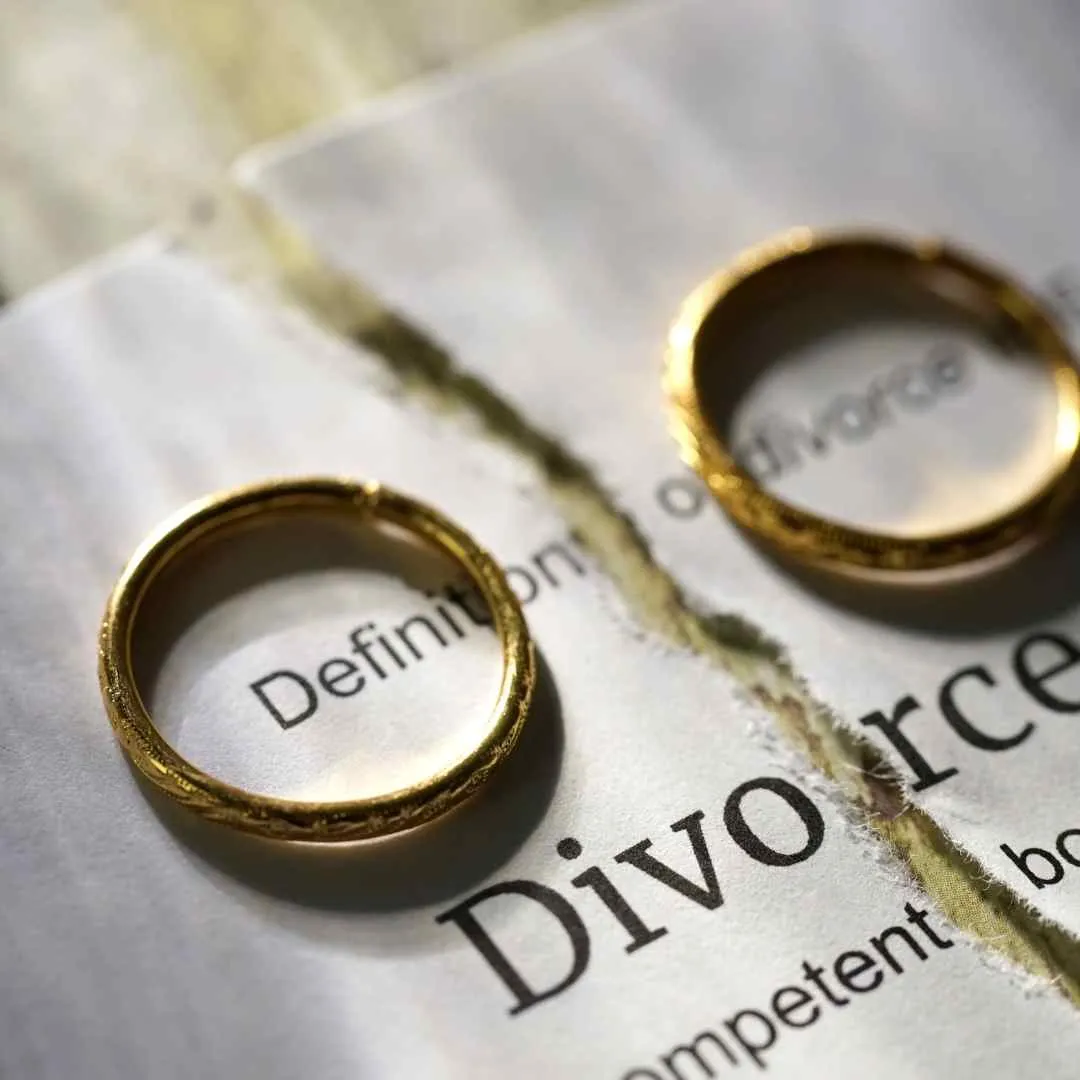
The meaning of infidelity in marriage
Married life can be full of ups and downs of various kinds, one of the most painful of which is knowing that one’s partner has cheated on another person.
What is the meaning of the term “infidelity”? What might be the price paid by the son (or daughter) of the cheating couple? How does the court treat cases of infidelity?
Not every betrayal can lead to a desire on the part of the betrayer or the betrayed partner to end their life together. Sometimes the desire also arises to try and overcome the rift, so it is important to make a decision on the matter.
If you want to end the relationship, it is best to do so at this stage. Contact a lawyer for initial legal advice. Experienced specialist in matters Divorce and family law to explain to you the obligations and rights within the process, its meaning and the possible impact of infidelity on the divorce proceedings.
The lawyer will also verify whether there is a need to contact a private investigator in the circumstances of the specific case. In this way, in the event of an uncertain suspicion of infidelity, an investigator can be contacted to work to obtain evidence to prove or disprove the suspicion.
Similarly, as long as the evidence is obtained in lawful ways and without violating legal provisions, it can be used significantly in legal proceedings and will be of great help.
The legal consequences of betrayal
If you have made the decision in your heart to end the marriage, it is advisable not to share it with your partner.
Divorce proceedings can be conducted if the spouses are Jewish within the framework of Home Rabbinic Law or Family Court. This choice can have a decisive impact on the conduct of the proceedings.
It is important to understand that in the rabbinical court, matters are discussed in accordance with Jewish law, while in the Home Family Law In accordance with the Israeli legal system.
For more information on this matter, read: Racing Powers
The jurisdiction of the court to hear the issues is determined according to the Rabbinical Courts Jurisdiction Law (Marriage and Divorce) 5713-1953, according to the question of which court first received the claim and the issues involved, including the question of Custody and the property.
Regarding the division of property, Law Financial Relations The 1973 Marriage Act states that infidelity will not result in a violation of the rights of the unfaithful spouse in the joint property. The reason lies in the fact that, unlike many other countries, the system used in Israel does not place blame on the party interested in ending the joint life and therefore does not support the violation of his rights.
It is also appropriate to note here that, in general, the Rabbinical Court is also supposed to apply the provisions of the law in this matter according to the High Court ruling from two years ago, even though it was previously determined in accordance with the provisions of Jewish law that in the event that there is evidence of infidelity by one of the spouses, this will result in a violation of that party’s rights to property due to an element of guilt in the dissolution of the family unit.
Similarly, in principle, in family courts, infidelity will not affect the issue of custody at all, as this is determined in accordance with the best interests of the child and not according to the interests of his parents.
Although the rabbinical courts do not treat the issue of infidelity with leniency, even in this framework, custody is determined in accordance with the recommendations of the review, and therefore, as long as the infidelity does not affect the ability to properly care for the child, the issue of custody will not be affected..
On the other hand, infidelity will harm the woman’s right to receive her address upon the end of the marriage and her rights to receive spousal support. However, even in order to deny this right to the woman, the other party must provide solid evidence, and in terms of the level of evidence, there is a difference between the courts.
Read more: Questions and answers about divorce